
Gemstones
Every gemstone has a personality — shaped by how it’s formed, how it catches the light, and the stories it’s carried along the way. Some feel bold and expressive, others quietly timeless. Below, explore what makes each stone unique, so you can discover the details that make a gem speak to you.
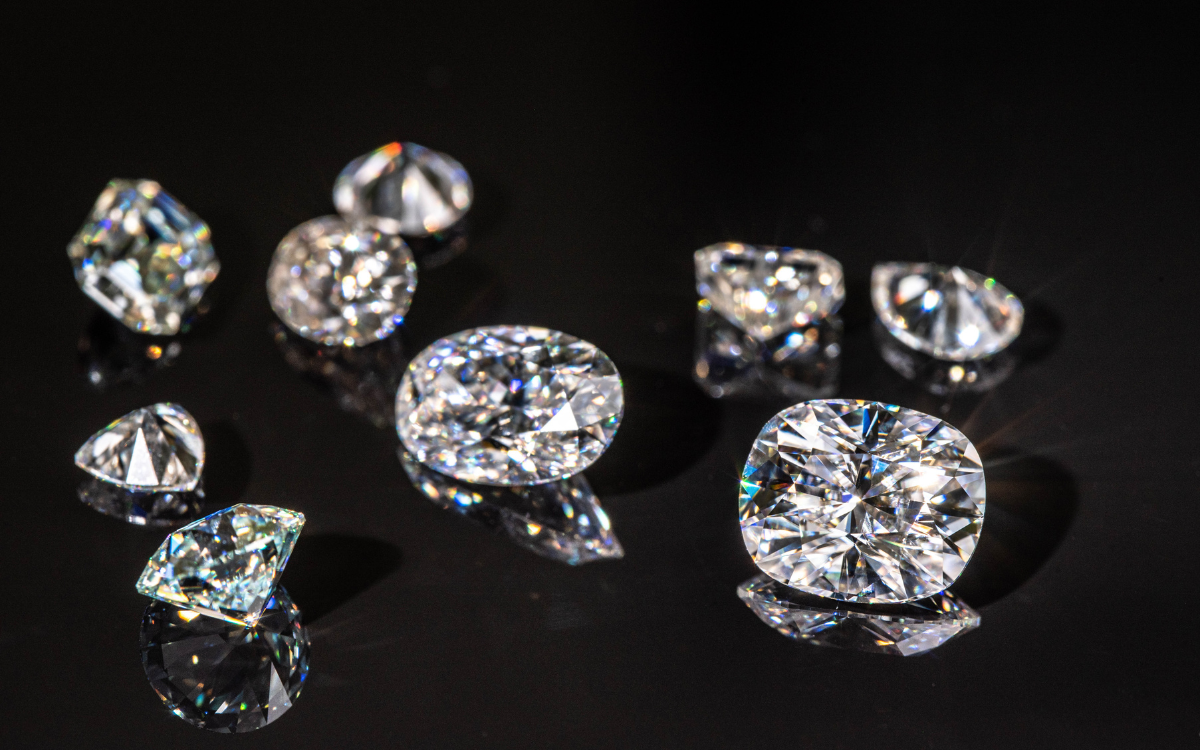
Diamond
Celebrated for their brilliance and strength, diamonds have long symbolized enduring love and commitment. Formed deep within the earth, each diamond is unique in its 4 C’s: Cut, Clarity, Color, and Carat weight — qualities that determine its beauty and value. Whether chosen for an engagement ring or a meaningful gift, a well-selected diamond is designed to shine for generations.
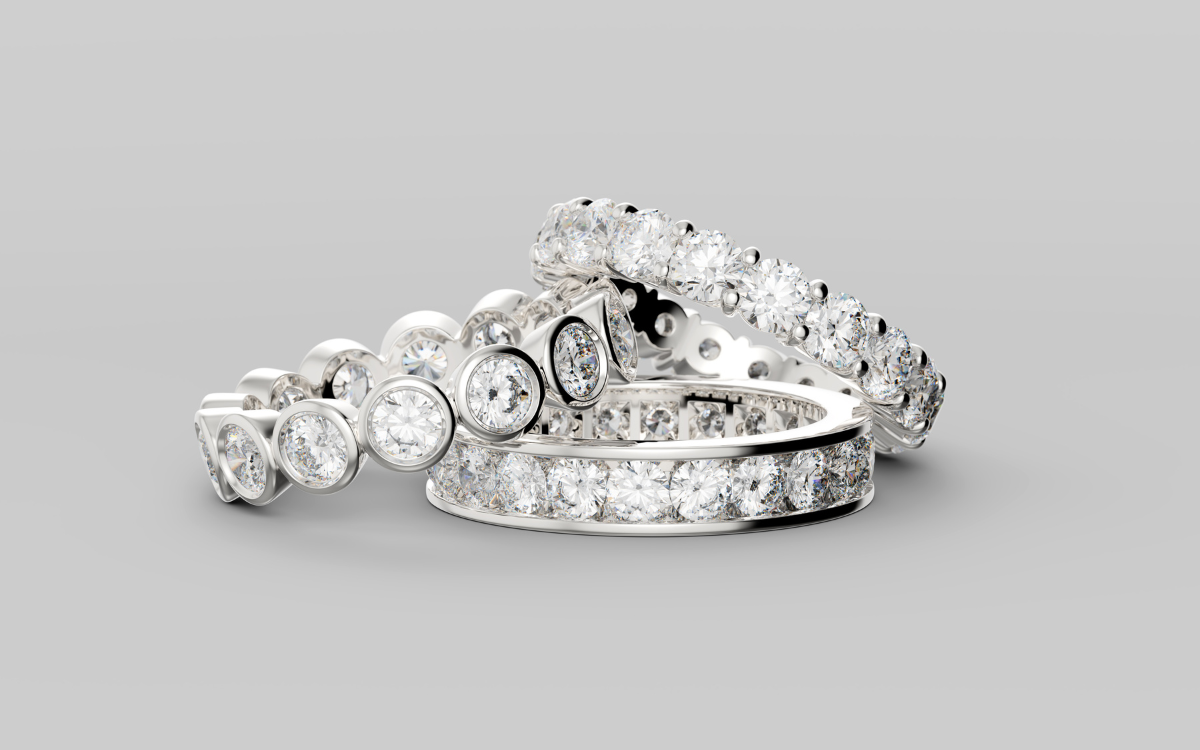
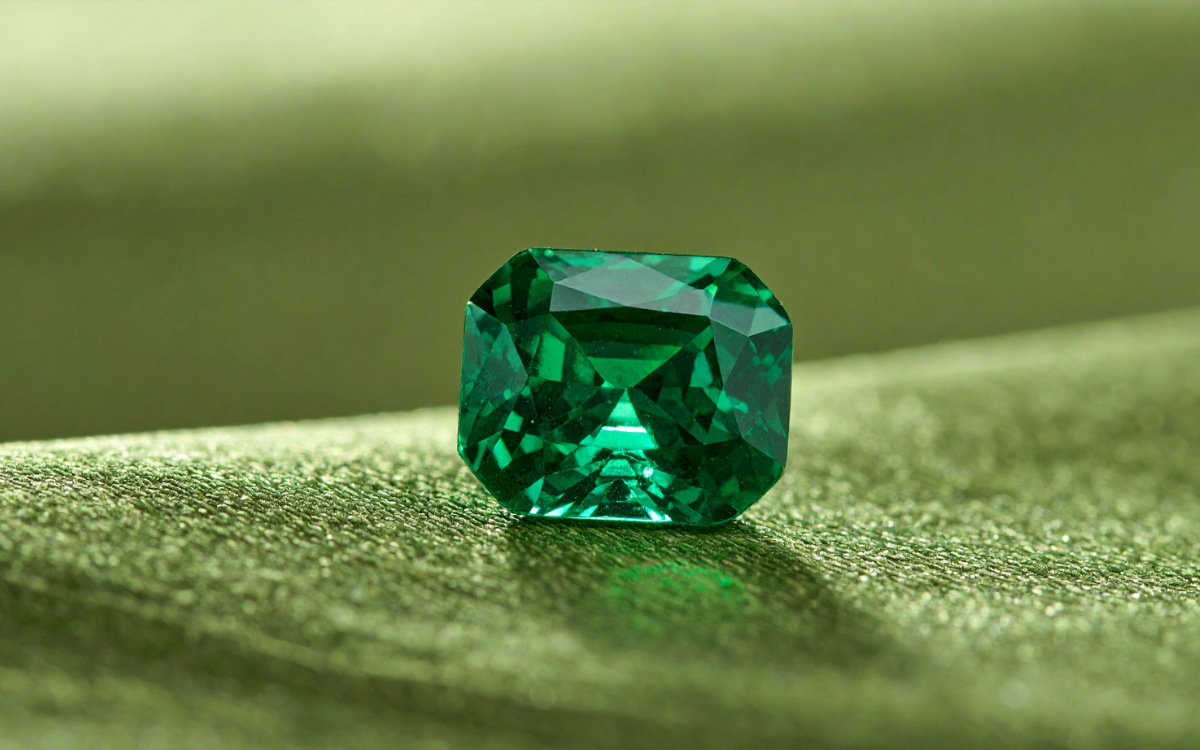
Emerald
Emeralds are treasured for their rich green hue and unmistakable presence. A member of the beryl family, each emerald carries natural inclusions that make it uniquely its own, which are often referred to as the gem’s “garden.” Associated with renewal and vitality, emeralds bring vibrant color and timeless elegance to fine jewelry.
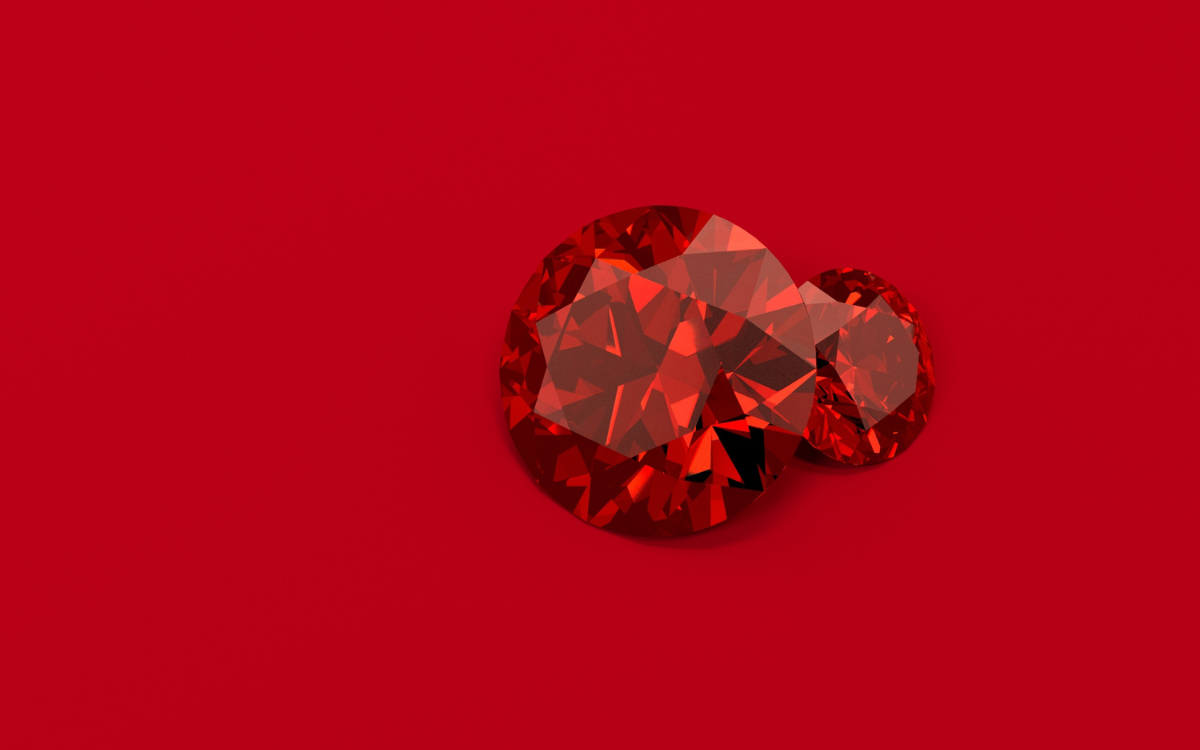
Ruby
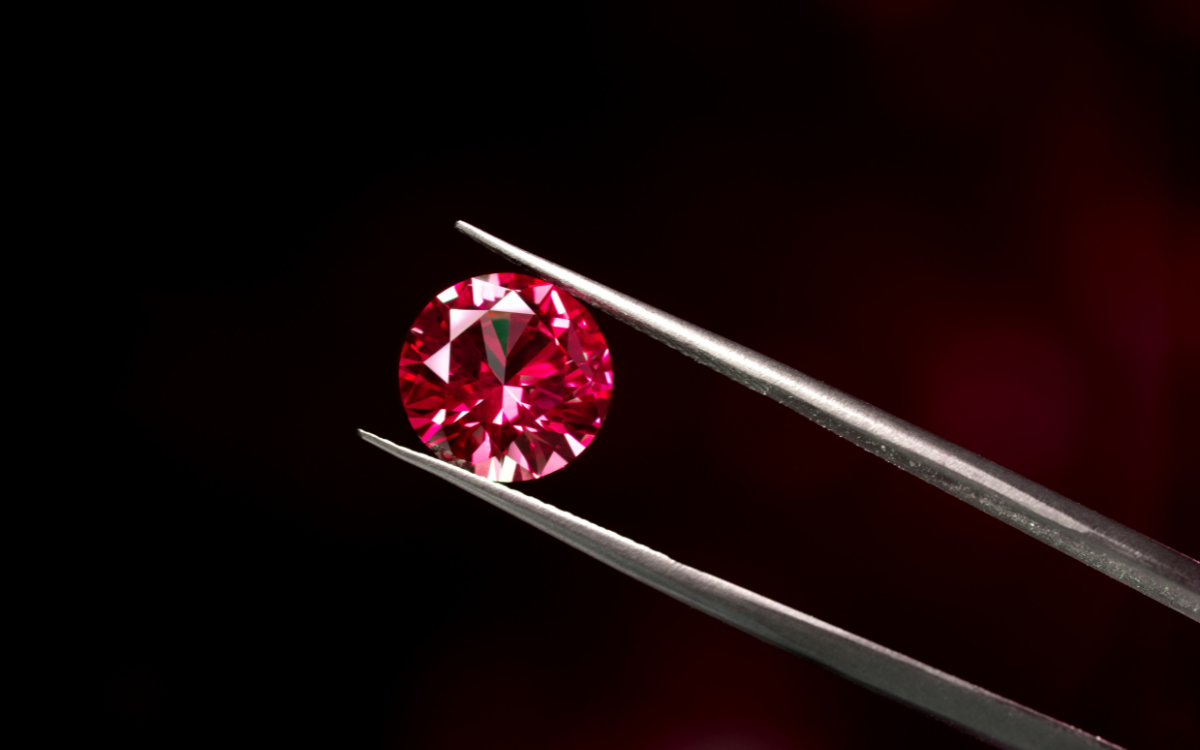
Ruby is the red variety of corundum, colored by trace chromium, the same mineral family as sapphire, but defined by passion and intensity. The finest rubies display a vivid, glowing red often described as “pigeon’s blood.” Revered across cultures as a symbol of love, power, and vitality, ruby is both exceptionally durable and endlessly expressive, making it one of the world’s most treasured gemstones.
Sapphire
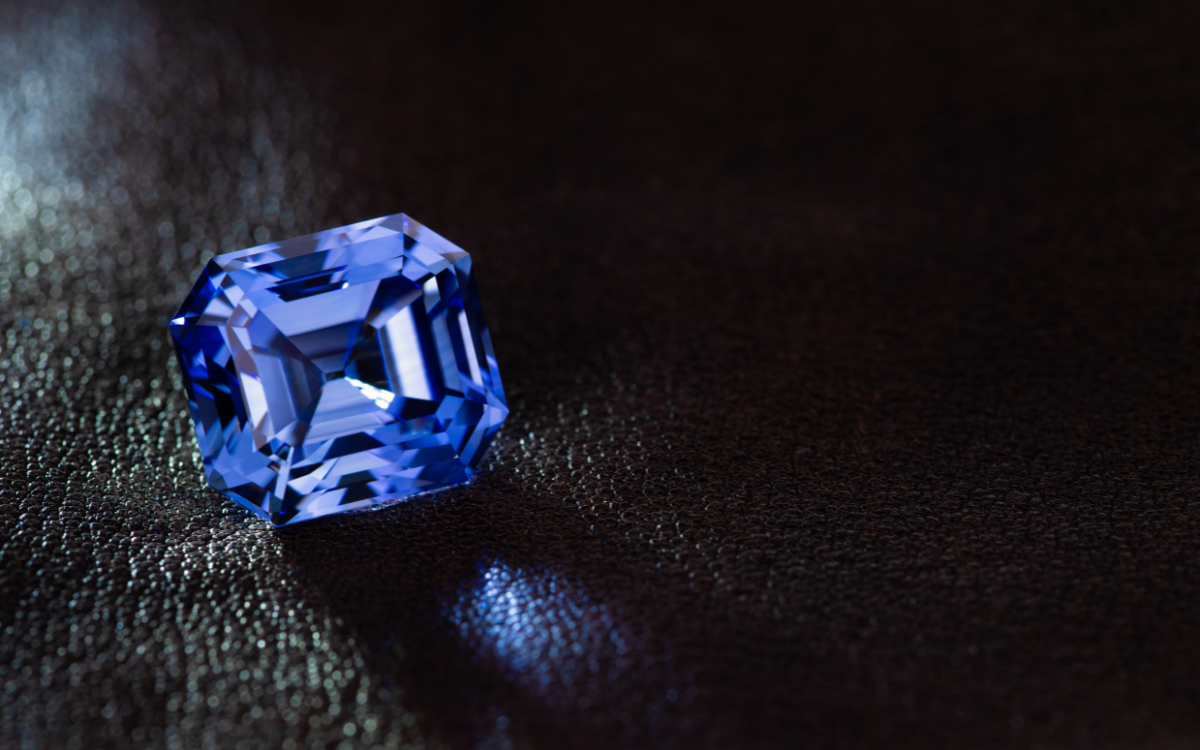
Sapphire is a variety of corundum, a mineral prized for its exceptional hardness and durability. While blue is most iconic, sapphires occur in nearly every color, with red corundum classified as ruby. Sapphires from different regions display distinctive characteristics, with Sri Lankan (Ceylon) stones known for their luminous clarity. Heat treatment is common and accepted, enhancing color while preserving durability.
Amethyst
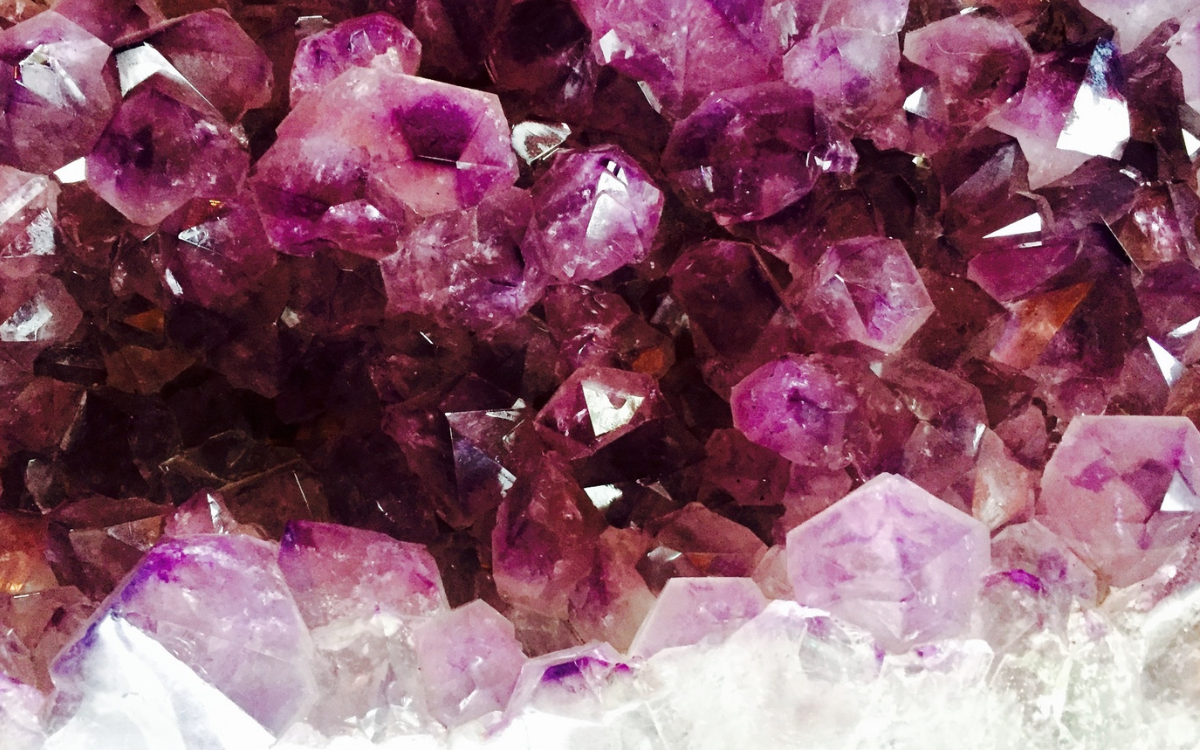
A member of the quartz family, amethyst gets its signature purple hue from trace iron and natural atomic irregularities. The most prized stones show deep, saturated violet with subtle red flashes. While historic Siberian sources are no longer active, fine material is now found in South America and Africa. Durable enough for everyday wear (Mohs 7), amethyst can be sensitive to heat and prolonged light so gentle care keeps its color luminous.
Aquamarine
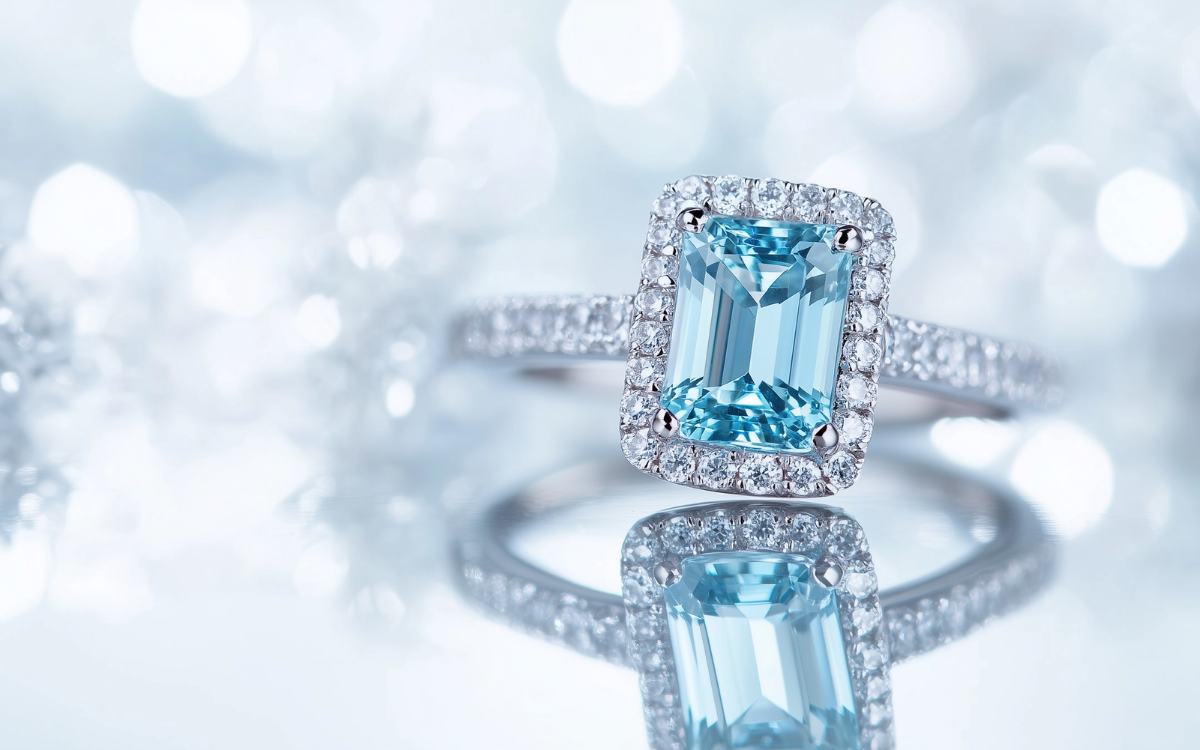
Aquamarine belongs to the beryl family (alongside emerald) and is cherished for its serene blue tones reminiscent of seawater. Colored by iron, aquamarines often form in large, beautifully clear crystals. Stones from Africa tend to show richer saturation, while many aquamarines are gently heat treated to enhance their blue. Elegant and calming, aquamarine balances beauty with excellent wearability.
Garnet
Garnet is not one gem, but a vibrant family — spanning nearly every color of the rainbow except blue. From classic red varieties to brilliant greens like tsavorite and demantoid, garnet has captivated cultures for centuries. Ancient civilizations prized it as highly as ruby, while modern discoveries continue to expand its palette. Durable and versatile, garnet is full of color, history, and surprise.
Peridot
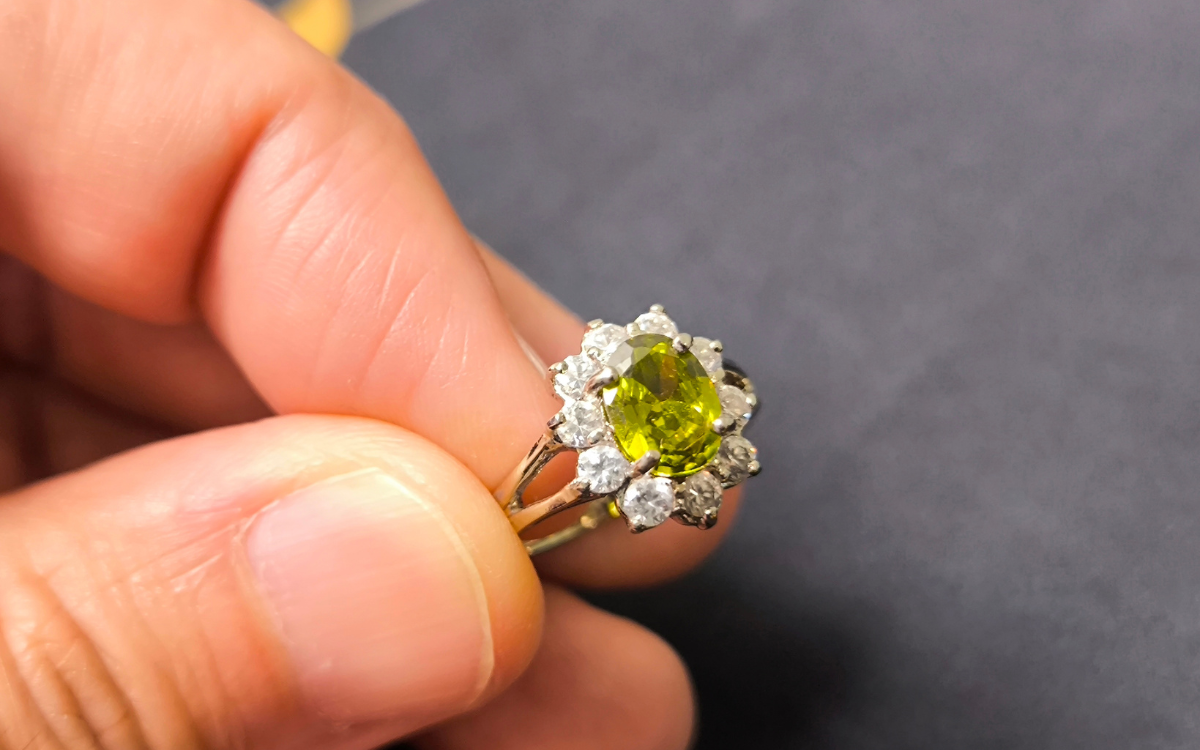
Peridot’s fresh green color comes directly from iron within its crystal structure, making it one of the few gems whose color isn’t influenced by trace impurities. Revered since ancient Egypt, peridot has adorned jewelry for over 4,000 years. Fine stones are increasingly rare, with top-quality material mined seasonally. Bright, warm, and historic, peridot is a gem of enduring vitality.
Tourmaline
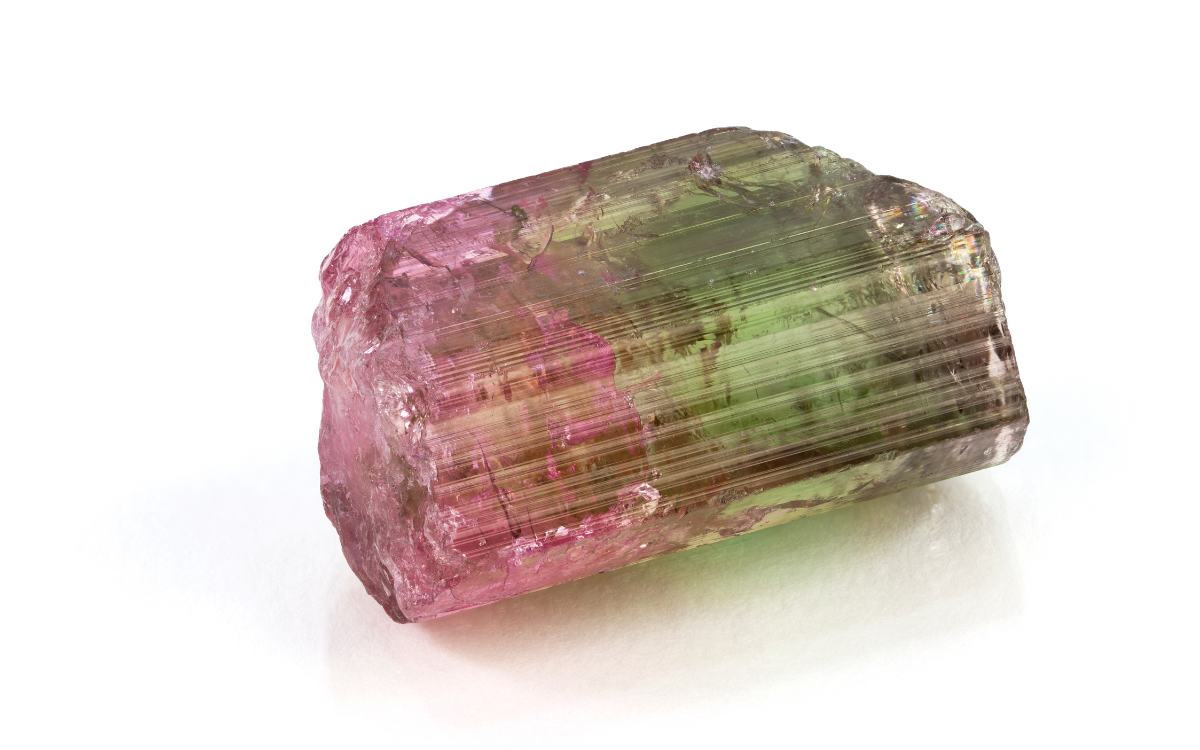
Few gemstones rival tourmaline’s range of color — from soft pinks to electric greens, deep blues, and even multiple hues in one stone. Its name means “mixed precious stones,” a fitting tribute to its diversity. Tourmaline’s optical properties demand expert cutting to reveal its best color, and some stones are treated to enhance intensity. Bold, expressive, and endlessly varied, tourmaline celebrates individuality.
Tanzanite
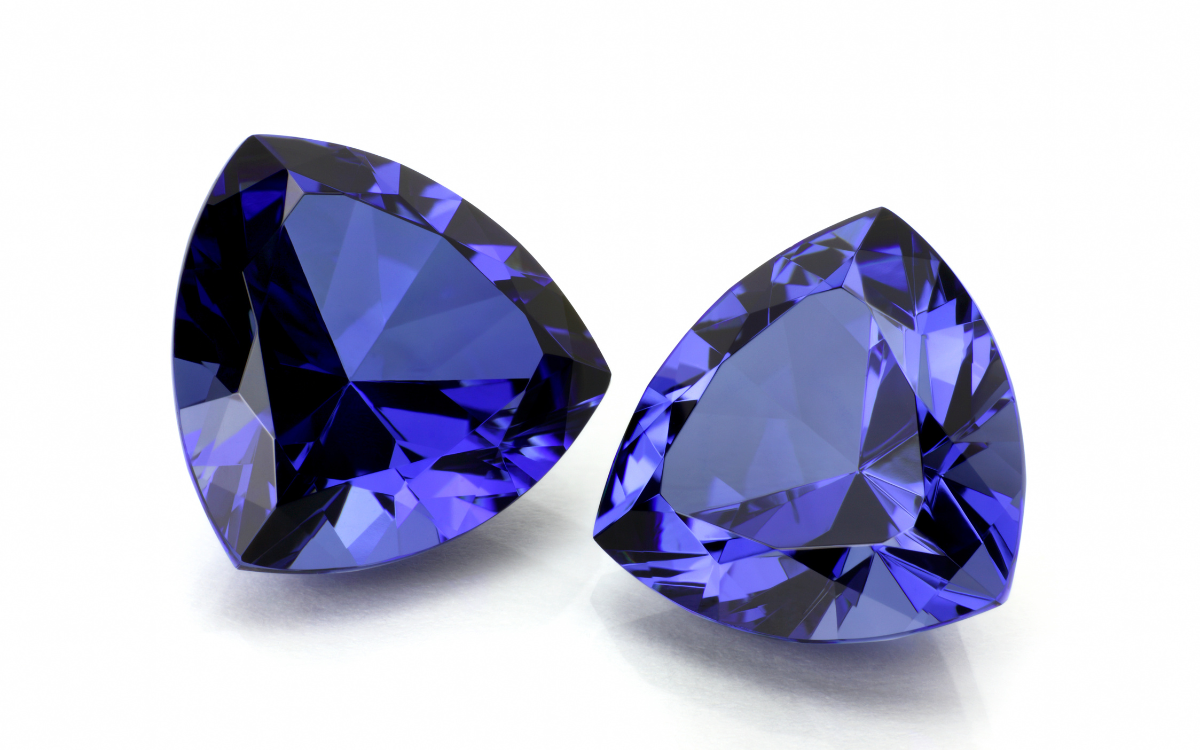
Discovered in 1967 and found only in Tanzania, tanzanite is one of the most geographically limited gemstones in the world. Naturally mined brown, it’s gently heated to reveal its signature violet-blue color. Known for striking pleochroism, tanzanite can show multiple colors depending on how it’s viewed. Beautiful but more delicate than sapphire, it rewards mindful wear, and may be rarer with time.